


We work with Exotics!
At Birchwood Veterinary Clinic we understand that every pet is unique. This includes what may be considered “non traditional” pets.
What Makes Exotic Veterinary Medicine Unique?
Each exotic species has unique medical, husbandry, and dietary needs. Veterinarians who care for these patients often pursue extensive additional training and many hours of continuing education beyond veterinary school to confidently support a wide variety of species.
What Exotic Animals Do We See?
We see a wide variety of exotic species, including:
- Rabbits
- Hamsters, Hedgehogs
- Guinea Pigs, Chinchillas
- Rats, Domestic Mice
- Ferrets
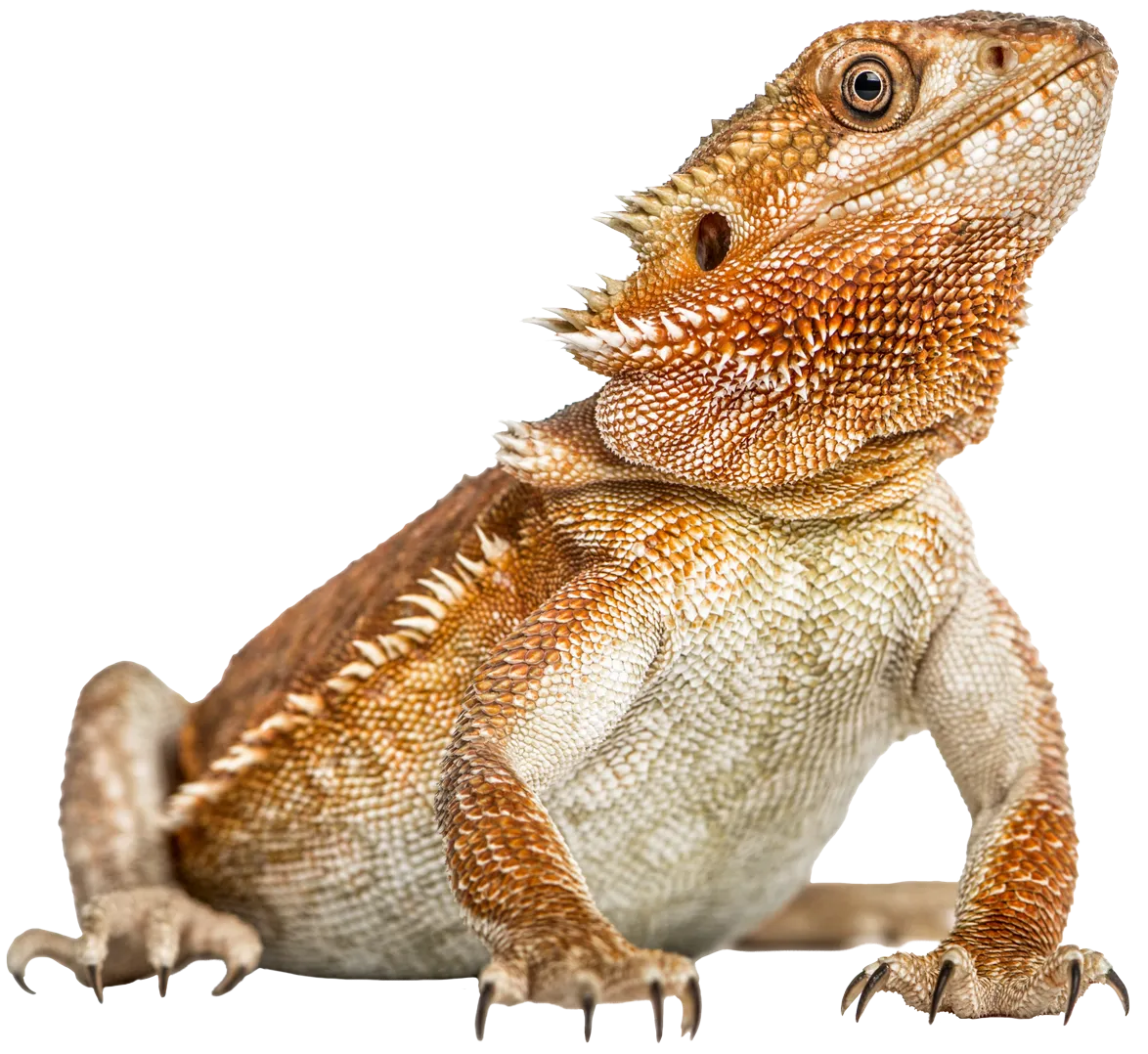
- Reptiles-Turtles, Snakes, Lizards
- Tortoises
- Companion Bird Species
- Amphibians- Frogs, Toads
- Spiders-Tarantulas
- Pet Chickens, Roosters, Ducks, Geese (Non Food Production Only)
If your pet is not included on this list please contact us to check if we are able to see them.
Please note, we DO NOT see Wildlife, or Wild Birds brought in by the general public.
For injured birds such as Ravens and Crows please contact Good Caws Crow Rescue.
For injured Wildlife such as Birds of Prey, Coyotes, Foxes, or Bears, please contact the BC Conservation Service.
Why Should My Exotic Pet See A Veterinarian?
Annual wellness exams are recommended for all exotic species. Just like dogs and cats, potential health concerns can often be detected before they become more serious. Because exotic pets instinctively hide signs of illness, regular exams are especially important for early detection, as well as for discussing husbandry and dietary needs.
What Services Do We Offer?
We Provide a wide range of services for our exotic patients including:
- Annual Wellness Exams
- Medical Exams
- Blood Work
- Radiographs
- Surgery
- Vaccines- Rabbit Hemorrhagic Disease. Ferrets- Rabies, Distemper
- Avian DNA Sexing
- Nail,Beak and Wing Clips
- Husbandy / Nutrition Consults
- Dentistry- Please note in cases of advanced dental disease you may be referred to a dental specialist for treatment.
Exotic Animal Emergencies
These are some of the more common emergency conditions an exotic patient may experience. If you think your pet is having an emergency please call us immediately.
For after hours emergencies, please click the Emergency button below to be referred to VetTriage for support.
Rabbits, Guinea Pigs- Gastrointestinal Stasis (GI Stasis)
GI Stasis is when the digestive system slows down or stops completely. It is a life threatening emergency that requires IMMEDIATE medical attention.
The main cause include:
- Stress
- Pain
- Poor Diet
Symptoms May Include:
- Decreased Appetite
- Lack of, or smaller bowel movements
- Hunched Posture Indicating Pain.
Birds
The most Common Avian Emergencies Can Include:
- Respiratory Distress-tail bobbing, open mouth breathing or wheezing
- Trauma
- Reproductive Issues (Dystocia or Egg Binding)- straining or sitting on cage floor.
- Hemorrhage (Bleeding) – Birds have a small blood volume, Bleeding from a broken blood feather or a nail clipped too short can quickly result in excessive blood loss.
- Neurological Signs- seizures, tremors, head tilt or inability to stand.
Reptiles
The most Common Reptile Emergencies Can Include:
- Trauma- prey bites, shell fractures (turtles/tortoises)
- Prolapse- tissue or organs such as: uterus, bladder or hemipenes protruding from the vent.
- Reproductive Issues (Dystocia or Egg Binding)- females unable to pass eggs.
- Respiratory Distress- open mouth breathing, gaping, wheezing or nasal discharge.
- Neurological Issues- ataxia (loss of co-ordination, muscle tremors, seizures
- Thermal Injuries- burns from heat lamps or heating mats, or malfunctioning heating materials.